

Moving into assisted living can bring relief, uncertainty, sadness, or a mixture of all three. Family members often want to help but are unsure how much involvement is useful. The most effective support usually combines steady contact, respect for independence, and attention to changes that may not be obvious during short visits.
How can family members make the first few weeks easier?
The first several weeks are often an adjustment period rather than a true picture of how comfortable someone will eventually feel. A loved one may be tired, emotional, withdrawn, or unusually critical of the new setting while learning new routines.
Helpful early support includes:
- Bringing familiar photographs, blankets, books, music, or small decorations.
- Helping organize clothing and personal items so they are easy to find.
- Learning the daily schedule, including meals, activities, medication routines, and quiet hours.
- Keeping visits calm and predictable instead of arranging a crowded series of drop-ins.
- Listening without immediately arguing or trying to “fix” every complaint.
Familiar objects can make a new room feel more personal. At the same time, too many belongings can create clutter, limit walking space, or make housekeeping difficult. Choose items that carry emotional meaning and are practical for the available space.
For families in York, seasonal changes may also affect the transition. Cold weather, icy walkways, and shorter daylight hours can make outdoor routines less appealing during winter. During warmer months, heat and humidity may increase fatigue. Planning visits around comfort and energy levels can make them more enjoyable.
How often should family visit or call?
There is no single schedule that works for every resident. Frequent contact is valuable, but the quality and predictability of communication usually matter more than a strict number of visits.
A family may choose a routine such as:
- A short phone call on certain days.
- A longer in-person visit once or twice each week.
- A video call when travel or weather makes a visit difficult.
- A shared calendar so relatives coordinate rather than contacting the resident repeatedly.
Some people enjoy regular activity and visitors. Others become tired easily, especially after medical appointments, poor sleep, or a busy day. Ask the resident whether the timing and length of visits feel helpful. If hearing, vision, or memory changes make phone calls frustrating, in-person visits or written notes may work better.
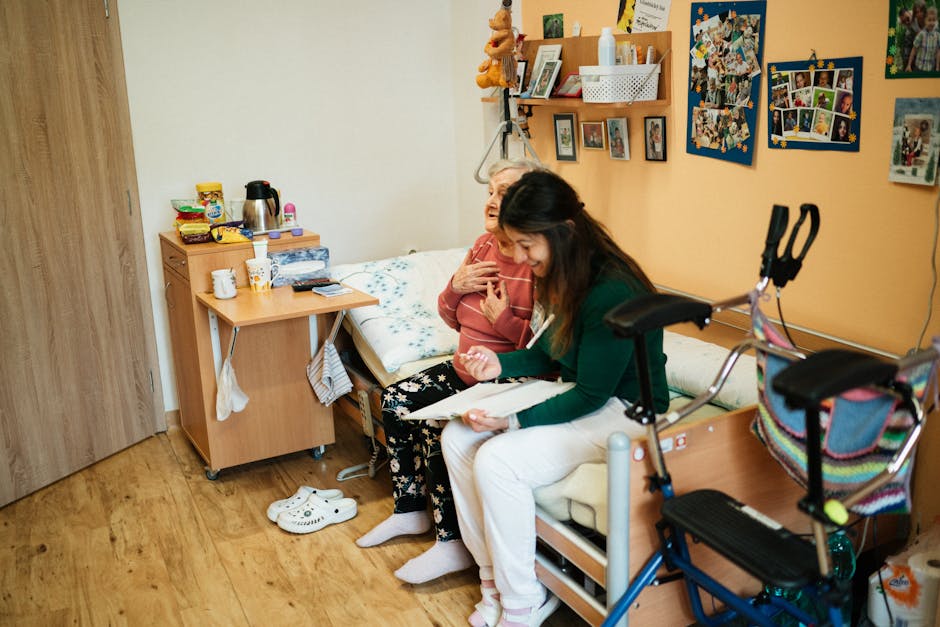
A visit does not need to involve an outing or elaborate activity. Looking through family photographs, folding laundry, listening to familiar music, or sitting quietly can provide meaningful connection.
What should family members do if the resident says, “I want to go home”?
Statements about going home are common after a move and do not always mean the person is making a firm decision to leave. “Home” may refer to a former house, a spouse, a familiar routine, or a feeling of control and safety.
Arguing about whether the new residence is better may increase distress. Instead, try acknowledging the feeling:
- “You miss your home and the way things used to be.”
- “This change has been difficult.”
- “Let’s talk about what would make tonight more comfortable.”
Then gently shift attention toward a specific need. The resident may be hungry, tired, lonely, confused about the schedule, or worried about a personal item.
Repeated requests to leave should not be dismissed. Track when they occur and what happens beforehand. Patterns may reveal problems such as too much noise, missed meals, uncomfortable room temperature, pain, medication effects, or difficulty sleeping. Share observations with the appropriate care team so concerns can be reviewed.
How can family encourage independence without taking over?
Support should preserve the resident’s ability to make choices. Taking over every task may seem efficient, but it can reduce confidence and make the person feel powerless.
Offer choices that are manageable:
- “Would you like the blue sweater or the gray one?”
- “Would you rather attend the music program or take a walk?”
- “Should the visit be before lunch or afterward?”
Allow extra time for dressing, eating, speaking, or moving between activities when safety permits. Avoid correcting every minor mistake. A person may need more time, but still want to remain involved in decisions about clothing, visitors, meals, hobbies, and personal routines.
Families should also learn which tasks are part of the resident’s care plan and which can be handled independently. This prevents confusion and helps relatives support rather than duplicate daily assistance.
What signs suggest that a resident is struggling?
Adjustment difficulties can look different from person to person. A family member may be having trouble settling in if there are ongoing changes such as:
- Persistent sadness, fear, anger, or withdrawal.
- Major changes in sleeping or eating.
- Frequent complaints of pain, dizziness, or physical discomfort.
- Refusal to participate in nearly all familiar activities.
- Increased confusion, agitation, or repeated distress at particular times.
- Unexplained bruises, falls, weight changes, or hygiene concerns.
- Difficulty managing clothing, hearing devices, glasses, or personal belongings.
One difficult day does not necessarily indicate a serious problem. Look for patterns and changes from the person’s usual behavior. Sudden confusion, severe weakness, chest pain, trouble breathing, or signs of injury require prompt medical attention.
Families should write down specific observations, including dates, times, symptoms, and what seemed to help. Clear details are more useful than general statements such as “Something seems wrong.”
How should family communicate with the care team?
Good communication is specific, respectful, and consistent. Family members should learn the proper process for sharing concerns, asking questions, and receiving updates. It may help to identify who handles routine questions, who communicates medical information, and how urgent concerns are addressed.
Before a conversation, prepare a short list:
- What changed?
- When did it begin?
- How often is it happening?
- What makes it better or worse?
- What does the resident say about it?
- What outcome would help?
Family members should also share information about lifelong preferences. Staff may not know that a resident dislikes crowded rooms, prefers a late breakfast, becomes anxious during rushed conversations, or finds comfort in a particular hobby.
At the same time, privacy rules may limit what information can be shared without the resident’s permission. Families can still provide observations even when they cannot receive every detail in return.
How can relatives help a loved one build a new routine?
A familiar routine can reduce uncertainty. Encourage activities based on the resident’s interests rather than choosing events solely because they are available. Someone who never enjoyed large groups may prefer a smaller gathering, a quiet hobby, or a short walk.
Try connecting old interests to the new setting:
- A gardener might help care for indoor plants.
- A music lover may enjoy familiar recordings or sing-alongs.
- Someone who enjoyed cooking may organize recipes or assist with simple food-related activities.
- A person who valued family history may label photographs or record stories.
Do not assume that immediate participation is necessary. Some residents observe activities for weeks before joining. A brief introduction from a familiar relative may make a new activity feel less intimidating.
What should families remember about visits during holidays and bad weather?
Holidays can be comforting but also emotionally difficult. Decorations, crowded gatherings, and changes in routine may remind residents of people or traditions they miss. Keep plans flexible and ask what feels manageable.
During snow, ice, heavy rain, heat, or severe cold, a shorter visit may be safer and more comfortable than a longer outing. Families can bring seasonal traditions indoors through photographs, music, familiar foods that fit dietary guidance, or a small craft.
The goal is not to recreate the entire previous household. It is to help the resident maintain identity, relationships, and meaningful choices while gradually becoming familiar with a new daily life.
