
Assisted living can provide more than housing and help with daily routines. In Pennsylvania, an assisted living residence must be able to provide or arrange certain supportive and supplemental health services, but the exact services, staffing model, schedules, and additional charges vary by residence and by each resident’s care plan.
For households in York, understanding that difference is essential. “Assisted living” does not mean the same level of medical care as a nursing facility, and not every service is delivered by staff employed directly by the residence.
What health-related help is commonly available?
Most assisted living health support falls into three categories: daily personal assistance, medication support, and coordination with outside medical providers.
A resident may receive help with:
- Bathing, dressing, grooming, toileting, and personal hygiene
- Eating, drinking, walking, and transferring between a bed and chair
- Monitoring changes in physical or cognitive condition
- Medication reminders, assistance with self-administration, or medication administration
- Arranging physician visits, laboratory work, therapy, and transportation
- Responding to emergencies and notifying designated family members
- Following a written support plan based on the resident’s needs
These services are designed to help a person remain as independent as possible while reducing risks related to falls, missed medications, dehydration, poor nutrition, or confusion.
The residence should document what assistance a person needs rather than relying on a general assumption about age or diagnosis. A resident who needs help only with bathing may have a very different care plan from someone who needs extensive assistance with mobility, medications, and memory-related supervision.
How does medication assistance work?
Medication support is one of the most common health services in assisted living. Depending on the resident’s abilities and the residence’s policies, staff may remind a person to take medication, help organize doses, assist with self-administration, or administer medications directly.
Medication procedures generally include:
- Secure storage of prescription and over-the-counter medicines
- Records showing when medications were given or assisted with
- Processes for handling missed doses, medication errors, or missing medication
- Coordination with prescribers and pharmacies when orders change
- Monitoring for side effects, refusal, confusion, or difficulty swallowing
Residents and families should ask whether medications are managed by licensed nurses, trained medication staff, or another designated role. It is also useful to clarify how the residence handles insulin, inhalers, eye drops, controlled substances, as-needed medications, and changes after a hospital stay.
A medication list should be updated whenever a prescription changes. This is especially important after emergency department visits, hospitalizations, or visits with multiple specialists.
Are nurses available in assisted living?
Some residences have nurses on site during certain hours, while others use a combination of nursing staff, trained caregivers, visiting clinicians, and outside home health agencies. The presence of a nurse does not necessarily mean that skilled nursing care is available around the clock.
Nursing-related services may include:
- Basic health monitoring
- Wound observation and routine treatment, when permitted
- Communication with physicians and family members
- Care-plan reviews
- Health education
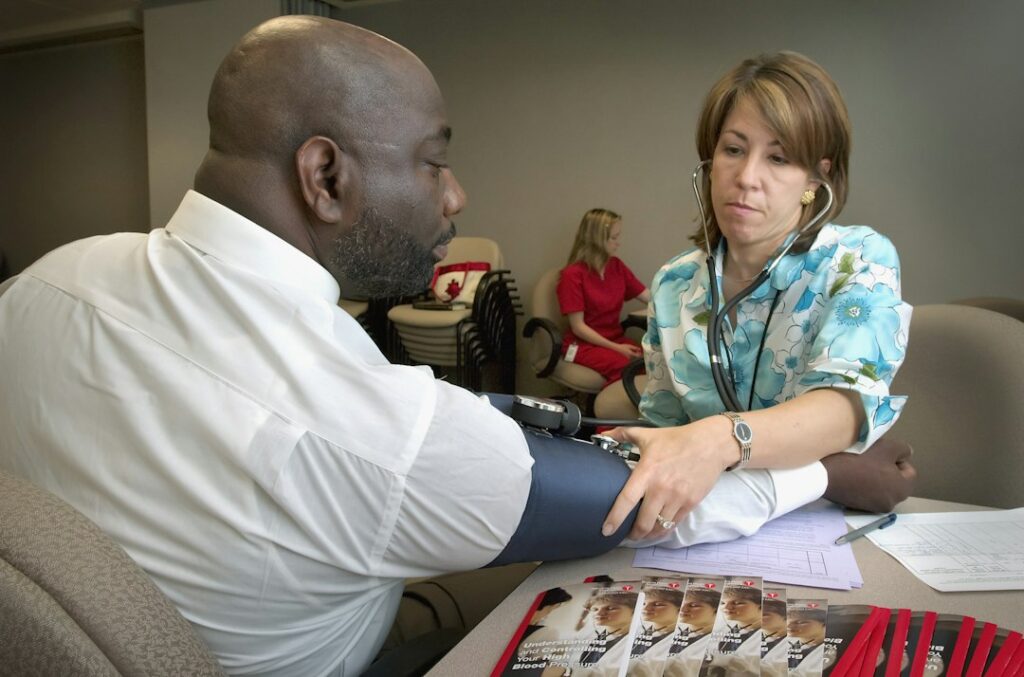
- Monitoring blood pressure, weight, blood glucose, or other measures ordered by a clinician
- Support during changes in condition
The frequency and complexity of nursing care depend on state rules, staffing, the resident’s condition, and whether an outside provider is involved. Before admission, families should ask who evaluates a resident’s health needs, who provides follow-up after a fall, and what happens if the person’s needs increase.
Can residents receive physical, occupational, or speech therapy?
Yes. Physical therapy, occupational therapy, and speech-language services may be arranged for residents when medically appropriate. These services are often provided by outside clinicians who visit the residence, rather than by the residence’s regular staff.
Physical therapy may address strength, balance, walking, or recovery after an illness or injury. Occupational therapy can focus on dressing, bathing, transfers, safe use of equipment, or adapting activities to changes in ability. Speech-language therapy may help with communication, memory-related skills, or swallowing concerns.
Therapy services generally require an order or referral and may be subject to insurance rules. A resident may need an evaluation before treatment begins. The residence can help coordinate access, but the clinical therapist determines the treatment plan.
In York, seasonal snow, ice, and wet weather can make mobility planning particularly relevant. Families may want to ask how therapy recommendations are incorporated into daily routines, hallway walking, transfers, and transportation during poor weather.
Is home health care available in assisted living?
Home health services may be provided in an assisted living setting when a resident qualifies under the applicable insurance and clinical requirements. These services can include intermittent skilled nursing, therapy, or other medically necessary support.
Home health is different from routine assisted living assistance. Help with bathing, dressing, meals, housekeeping, or supervision may be part of the residence’s services, while home health is typically ordered for a specific medical purpose and time period.
Examples may include:
- Nursing visits after a hospital discharge
- Short-term wound care
- Therapy following surgery or a fall
- Monitoring during recovery from an illness
- Training for a resident or caregiver

Families should ask which services are included in the monthly agreement and which are separately arranged and billed. A residence may coordinate outside services without directly providing them.
Can hospice or behavioral health services be provided?
Hospice services may be arranged for eligible residents who choose comfort-focused care. Hospice can involve nursing visits, social work, aide services, spiritual support, equipment coordination, and assistance for family members. The residence continues to provide its own agreed-upon housing and daily support while hospice supplies services within its scope.
Behavioral health services may also be available through visiting counselors, psychiatric providers, social workers, or other outside clinicians. Support may address depression, anxiety, grief, sleep problems, adjustment to a move, or behavioral symptoms related to cognitive impairment.
Assisted living staff may observe changes and report concerns, but they do not replace diagnosis or treatment by a qualified behavioral health professional.
What services are usually not included?
Assisted living is generally intended for people who need support with daily living but do not require continuous nursing-facility-level care. Some medical conditions may exceed what a particular residence can safely manage.
A residence may have limits involving:
- Continuous intravenous therapy
- Ventilator dependence
- Certain advanced wounds
- Continuous medical monitoring
- Physical restraints
- Complex treatments requiring specialized equipment or staffing
The rules can include exceptions or special arrangements, but the decision depends on the resident’s condition, the residence’s license, staffing, and the ability to meet the person’s needs safely.
A move to a nursing facility or hospital may become necessary if a resident’s medical needs become too complex. This is not necessarily a failure of assisted living; it reflects the different purpose and level of each care setting.
What should families ask before choosing a residence?
A written service description and resident agreement should explain what assistance is available and how health-related services are arranged. Useful questions include:
- Is a nurse present, and during which hours?
- Who administers medications?
- How are falls, infections, weight loss, or sudden confusion handled?
- Can home health, therapy, hospice, or behavioral health clinicians visit?
- Which services are included, and which cost extra?
- How often are care plans reviewed?
- What happens after a hospital discharge?
- What changes would require a move to a higher level of care?
- How are families notified about changes in condition?
Medicare generally does not pay for room, board, or most ongoing custodial assisted living services, although it may cover certain separately eligible medical services. Insurance coverage, Medicaid eligibility, veterans’ benefits, and long-term care policies can differ, so the financial portion of each service should be confirmed in writing.
The most useful comparison is not simply the number of services listed in a brochure. It is whether the residence can consistently provide the specific assistance a resident needs now, explain how that help will change if health declines, and coordinate medical care without creating confusion for the resident or family.
